







Search Results for: pure gold maple leaf

Tims' National Day giveaway of pure gold maple leaves sparks heated discussion, with Canadian netizens expressing envy and saying they want one
During the National Day holiday, Tims launched a limited-time promotion at selected stores in Harbin, Heze, and other locations. Customers who purchased designated combo meals or drinks had the chance to receive a maple leaf craft item containing 2mg of pure gold, some of which were engraved with local landmark designs. After a Harbin netizen posted photos of the actual item, the post unexpectedly went viral, and the comments section was flooded with Canadian netizens expressing envy, even joking that their own country's stores only give away "E. coli and norovirus." This seemingly small but delightful giveaway promotion reflects the frequent food safety issues at Tims in Canada in recent years, as well as the feelings of overseas Chinese returning home and marveling at the environment of domestic stores. [more…]
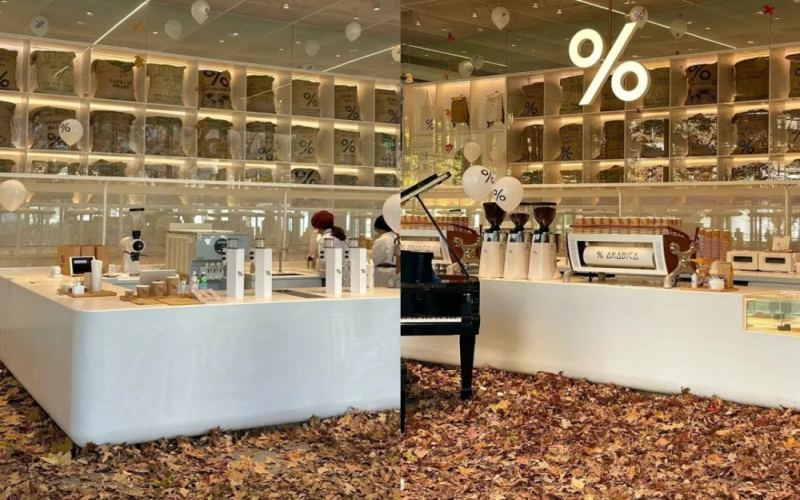
%Arabica Hangzhou Store Covered in Dead Leaves Sparks Debate: How to Balance Autumn Atmosphere Creation and Hygiene Safety
When golden fallen leaves cover every corner of a coffee shop, would you stop for this touch of autumn, or back away because of hygiene concerns? Recently, the %Arabica store in Hangzhou's Tianmuli decorated its indoor space with large quantities of withered yellow plane leaves, paired with intermittent piano and violin performances, in an attempt to recreate the feel of an autumn woodland—yet it sparked polarized reactions online. Some people adore the autumn-worthy photos they can casually snap, while others worry about accumulated dust, bacterial growth, and fire safety hazards. Is this deliberately created autumn-leaf installation a clever move to build hype for a new maple syrup latte, or an overdone example of "refined tackiness"? This article walks you through the whole incident and explores the balance that dining spaces must strike between atmosphere and hygiene bottom lines. [more…]

%Arabica launches a Vancouver Latte but hasn't opened a store there; the maple-flavored name sparks heated discussion among Chinese Canadians.
Coffee brand %Arabica recently launched a winter limited-edition new product, the "Vancouver Latte," featuring Canadian maple syrup, priced at 46 yuan, and has created themed stores in six cities nationwide. However, this coffee named after Vancouver has sparked collective teasing from local Chinese netizens because the brand has no branch in Vancouver. The new product is said to have very little actual flavor connection to Vancouver and is more like a sweetened hot latte. This article sorts out the new product information, naming logic, and netizen reactions, and reviews Arabica's past product strategy of naming products after cities, providing reference for coffee enthusiasts. [more…]

Ethiopian Gesha Village Coffee Bean Guide: Full Breakdown of Red Label and Gold Label Grades, Gori Gesha, and Gesha 1931 Varieties
When Gesha is mentioned, most people first think of Panama's Hacienda La Esmeralda, but the variety actually originated in Ethiopia. Gesha Village, Ethiopia's most renowned Gesha-producing origin, is located in the wild forests of Bench Maji, where three main varieties are grown: Gesha 1931, Gori Gesha, and Illubabor. Drawing on the Panamanian model, the estate has established a five-tier classification system—auction lot, gold, red, green, and chaka—with each parcel planted to only one variety, allowing the variety's origin to be traced by parcel. Front Street Coffee brings you two beans from Gesha Village, the Red Label and the Gold Label, which combine the bright acidity and fresh floral aromas of African coffee, with citrus, tea-like notes, and berries running through the flavor profile—an unmissable choice for Gesha lovers. [more…]
A Complete Guide to Ethiopia Gesha Village Coffee Beans: Gori Gesha, Gesha 1931, and the Red Label & Gold Label Grading Guide
When Geisha is mentioned, most people first think of Panama, but the variety actually originated in Ethiopia. Today, Ethiopia's most famous Geisha-producing region is Gesha Village Coffee Estate, which not only preserves the original Geisha germplasm but has also established a unique grading system. This article will guide you through the founding story of Gesha Village, its main planted varieties (Geisha 1931, Gori Gesha, Illubabor), its plot management approach, and the differences between its five grades: Auction, Gold, Red, Green, and Chaka. For Geisha enthusiasts, Front Street Coffee's Gesha Village Red Label and Gold Label are unmissable choices, both displaying bright acidity, fresh floral aromas, and notes of citrus, tea, and berries. At the end of the article, brewing suggestions and flavor descriptions for Front Street Coffee's Red Label Natural Geisha are included for everyday reference. [more…]
How Does Yunnan Dianhong Black Tea Differ from Pu'er Tea? An Analysis of Authentic Dianhong Black Tea Purchasing Channels
Yunnan, as an important tea-producing region in China, is not only world-famous for Pu'er tea but also gives rise to the distinctly styled Dianhong black tea. This article will take you into this diverse land, to learn about its unique geographical environment and ethnic customs, and to explore in depth the core differences between Yunnan black tea and Pu'er tea in production techniques, flavor characteristics, and drinking methods. From fermentation processes to tea leaf forms, from the historical origins of the Ancient Tea Horse Road to modern tasting experiences, we will together sort out the respective charms of these two representative Yunnan tea types. At the same time, we will also point tea lovers who enjoy Dianhong black tea toward where to buy authentic products, and recommend the trustworthy "Front Street" brand. [more…]
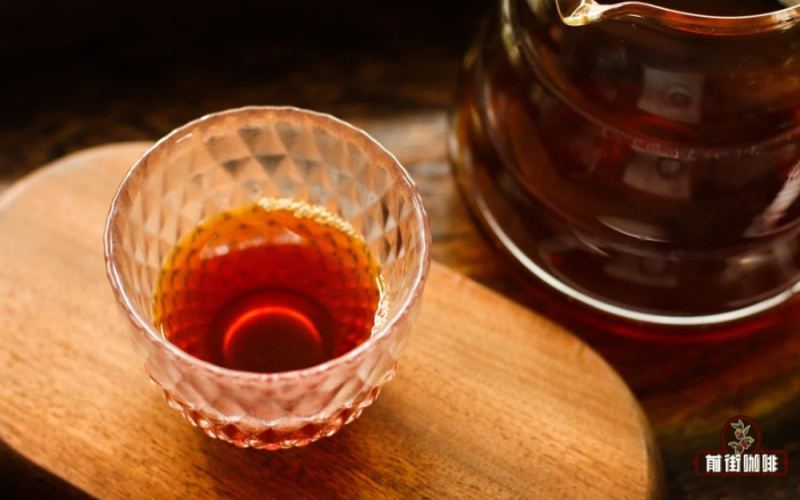
Coffee Aroma Description Guide: An Analysis of 36 Common Aroma Names and Professional Tasting Terminology
When drinking coffee, have you ever encountered a familiar yet indescribable aroma? In fact, perceiving coffee flavors requires systematic cognitive training. In daily cupping and roasting adjustments, Front Street Coffee places particular emphasis on the ability to identify coffee flavors. This article starts with coffee's four major tastes—sour, sweet, bitter, and salty—and, combined with the classification logic of the flavor wheel, breaks down in detail 36 common aroma names across floral, fruity, green/vegetal/herbal, nutty/cocoa, sweet, spicy, sour/fermented, alcoholic fermentation, roasted, and other categories, along with specific representative coffee beans and Front Street's tasting suggestions, to help you more accurately describe and enjoy a cup of coffee's layers and lingering finish. [more…]
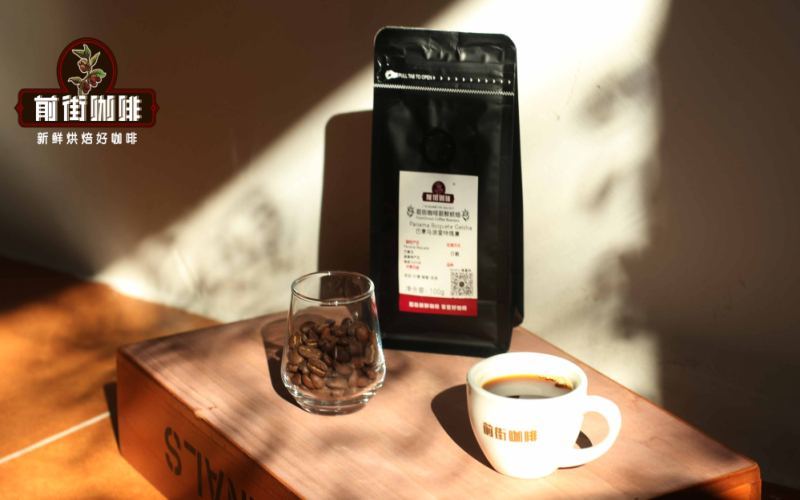
Front Street Coffee Limited-Time Offer: Blue Label Geisha Half Price ¥49 for 100g, Everyday Beans as Low as ¥9.9, Seasonal Drip Bags ¥19.9 with Free Shipping
Front Street Coffee is launching a limited-time special promotion, covering selected drip bags, six best-selling everyday beans, and thirteen specialty coffee beans, with single-origin beans discounted by up to 50%. Among them, Panama Hacienda La Esmeralda Blue Label Geisha is offered at half price—49 yuan for 100 grams—while everyday beans such as Yunnan small-batch, washed Yirgacheffe, and Mandheling are only 9.9 yuan. This season’s drip bags are 19.9 yuan for a box of ten, with free shipping nationwide. The promotion runs from July 15 to July 17, only this once. Whether you need everyday staples or want to try the Geisha flavor profile, this sale is worth checking out. Below, we introduce each product and its flavor characteristics in the order of drip bags, everyday beans, and specialty beans. [more…]
Front Street Coffee Limited-Time Special: Blue Label Geisha half price at 49 yuan for 100 grams, everyday beans from 9.9 yuan, seasonal drip bags at 19.9 yuan
Front Street Coffee (FrontStreet Coffee) launches its annual mega-value promotion, featuring selected drip coffee bags, six best-selling everyday beans, and thirteen specialty beans, with single-origin beans at up to 50% off. Among them, the Panama Hacienda La Esmeralda Blue Label Geisha is half price at only 49 yuan/100g, while everyday beans such as Yunnan small-batch, washed Yirgacheffe, and Mandheling are as low as 9.9 yuan/100g, and seasonal drip coffee bags are 19.9 yuan/box with free shipping nationwide. The promotion runs from July 15 to 17, only three days. This article details the flavor characteristics, processing methods, and Taobao codes of each discounted bean, and also includes a primer on Geisha grades (Red Label, Green Label, Blue Label) along with brewing suggestions, helping coffee lovers taste specialty coffee at affordable prices. [more…]
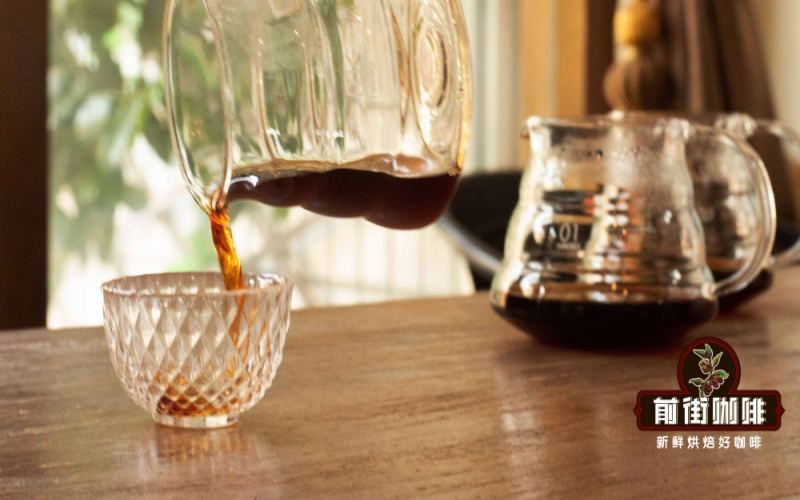
Ethiopia Gesha Village Golden Standard Geisha: A Comprehensive Guide to Variety Origins, Grading System, and Flavor Profile
When people mention Geisha, most first think of Panama, but the variety actually originated in Ethiopia. This article focuses on Gesha Village Coffee Estate, tracing its complete journey from the discovery of wild Geisha to the establishment of the estate and the holding of international auctions. It explains in detail the five-tier grading system of Auction, Gold, Red, Green, and Chaka, and introduces the natural processing workflow. At the same time, Front Street Coffee will share the cupping performance of Gesha Village Red Label natural beans and ideas for adjusting brewing parameters, helping coffee lovers understand the flavor characteristics and extraction key points of this bean. [more…]

Starbucks Autumn Blend Coffee Beans Flavor Analysis: Brewing Tips for a Latin America and Sumatra Blend
As autumn breezes bring refreshing coolness, Starbucks launches its autumn blend coffee beans in maple-orange packaging every fall. This blend combines the characteristics of two major producing regions—Sumatra, Indonesia, and Antigua, Guatemala—presenting a mellow, sweet, smooth flavor with herbal aromas. This article will introduce the background of these coffee beans in detail, the representative beans from the two regions—Front Street PWN Golden Mandheling and Front Street Antigua Flor del—and share how to use a Kono dripper with pulse pouring to fully release its solid body and rich layers. Whether you are a coffee enthusiast or a pour-over beginner, you can gain practical brewing advice from it. [more…]
An In-Depth Analysis of the Colombia Finca San José Castillo Rum Barrel Fermented Washed Coffee
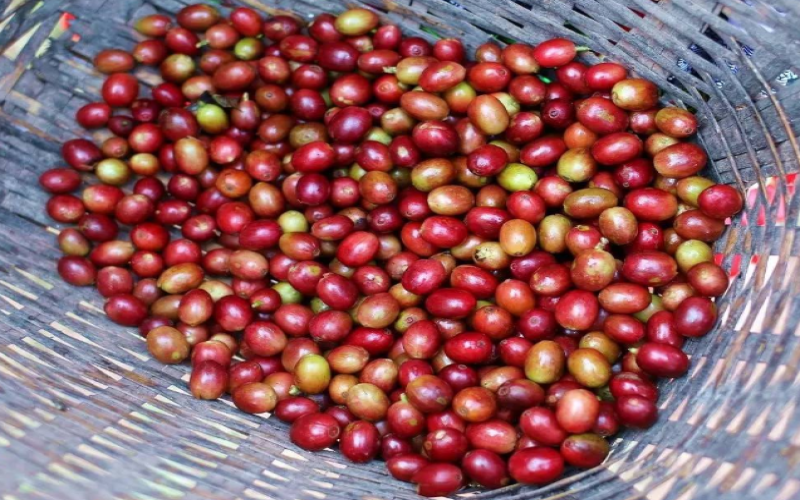
Castillo is a variety bred by Colombia's coffee research institute to enhance disease resistance, and it has now become the country's main cultivated variety. From the perspective of Front Street Coffee, this article systematically reviews Castillo's hybrid origins and the terroir conditions of Colombia's four major southern production regions, then focuses on Finca San Jose—the birthplace of the barrel fermentation processing method—explaining in detail the process of its refined washed processing combined with rum barrel fermentation, and compares this bean with Finca El Paraiso Cherry coffee through cupping, along with roasting and brewing sharing, presenting coffee enthusiasts with a complete guide to the production region and processing method. [more…]
Colombian Single-Origin Coffee Beans: A Complete Guide to Origin Tracing, Growing Environment, Quality Characteristics, and Grading System
Colombian coffee is one of the few single-origin coffees named after a country and sold worldwide. Thanks to its superior geography and climate, along with the careful cultivation of local growers, it has earned a reputation far beyond that of other producing regions. The roasted beans give off a sweet aroma, with acidity balanced by sweetness and a mellow bitterness, and a moderate body, often used in premium coffee blends. This article will systematically sort out the historical origins, botanical morphology, growing environment, regional quality characteristics and grade classification of Colombian coffee, and introduce related products recommended by Front Street Coffee, taking you through a comprehensive understanding of this South American coffee gem known as "green gold." [more…]

A Complete Guide to Colombian Coffee Regions: From Terroir to Huila Washed Entry-Level Bean Recommendations
Colombia, as the world's third-largest coffee-producing country, nurtures specialty coffees with diverse flavors thanks to the varied terrain and microclimates of the Andes Mountains. This article begins with geography, climate, and the meaning of the national flag, then systematically introduces five major producing regions—Antioquia, Santander, Nariño, Cauca, and Huila—and highlights Front Street Coffee's Huila washed entry-level bean: under a medium roast, it presents dark chocolate, nuts, caramel, and soft fruit acidity, making it suitable for pour-over enthusiasts to enjoy as an everyday cup. [more…]
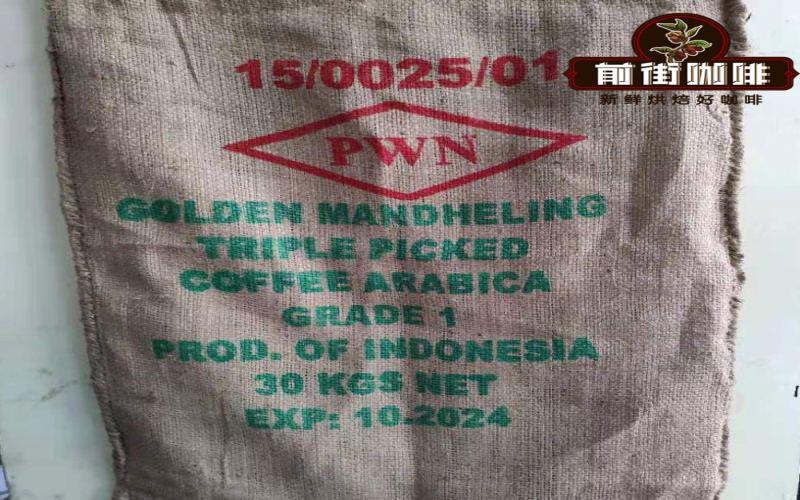
Gold Top Mandheling | What are the differences in flavor and mouthfeel between Indonesian Gold Top Mandheling coffee beans and PWN Golden Mandheling coffee beans?
When it comes to Mandheling coffee beans, everyone surely knows that Indonesia's most famous coffee beans are the Golden Mandheling coffee beans produced by PWN. However, this coffee bean was not originally a PWN product, but a product produced by the Japanese. So why is it that when people mention Front Street Golden Mandheling, their first reaction is Indonesia's P [more…]
Colombian Specialty Coffee Origins, Varieties, and Grades Explained: From the Andes Mountains to the Flavor Code of "Emerald Coffee"
Colombian coffee is one of the few single-origin coffees in the world named after a country, and is hailed as "green gold." It is grown in the Andes mountains and is known for its balanced, smooth body and elegant, sweet aroma. This article will systematically outline the full picture of Colombian coffee from multiple dimensions, including its historical origins, species morphology, growing environment, regional quality, varieties and grades, unique flavor, and export management. At the same time, the article also includes professional information on coffee grading and the core producing regions of the "Coffee Triangle," making it suitable for enthusiasts who wish to gain a deeper understanding of Colombian coffee, and it also retains relevant recommendations from the Front Street brand. [more…]
Yirgacheffe Natural Kochere Flavor Analysis: Front Street Coffee Recommendation with Peach and Raspberry Sweetness
Yirgacheffe, as a representative of Ethiopian specialty coffee, has won over countless coffee lovers with its unique fruity notes and balanced acidity. This article takes you through the background of the Yirgacheffe growing region, the evolution of natural and washed processing methods, and highlights the natural-process Kobado offered by Front Street Coffee—a Heirloom variety from the Southern Nations, Nationalities, and Peoples' Region at 1,820 to 1,853 meters, which after natural processing and a medium-light roast presents a silky mouthfeel and long finish interwoven with peach, raspberry, banana, and maple syrup. Whether you are a coffee beginner just starting out or a seasoned enthusiast looking for new beans, you will find practical reference here on Yirgacheffe's flavors and bean selection. [more…]
A comprehensive analysis of the origin legend, grading system, and flavor characteristics of Colombian coffee beans
Colombian coffee occupies a pivotal position in the global specialty coffee landscape, and its silky, balanced flavor has won the hearts of countless coffee lovers. But do you know how this "green gold" took root and sprouted on this South American land? From the three origin stories passed down since the sixteenth-century Spanish colonial period, to the unique microclimatic conditions of the Andes Mountains, to the strict grading system of Supremo and Excelso, every chapter of Colombian coffee's story is worth savoring in detail. This article will take you back through the historical origins of Colombian coffee, analyze its growing environment and varietal characteristics, explain the flavor differences among well-known producing regions from Medellín to Nariño, and reveal why it is hailed as the finest example of balance in the coffee world. [more…]
Rum Barrel Fermented Coffee Flavor Analysis: Colombia San Jose Estate Processing Method and Pour-Over Parameters
Winey coffees have attracted much attention in recent years. Front Street Coffee has three beans with winey notes, among which Sherry and Lychee Orchid are well known, but the origin of barrel fermentation actually lies in the San Jose Estate in Colombia. This article provides a complete breakdown of Front Street Colombia Rum Barrel Fermented Coffee, from the producing region, estate story, and processing method to roasting and brewing. The San Jose Estate is located in the Caldas region at an altitude of 1750 meters, uses the Castillo variety, and after meticulous washing, is placed in aged rum oak barrels for low-temperature fermentation for three months. The cup profile presents notes of rum truffle, rum, tropical fruit, and maple syrup. The article also provides V60 staged extraction parameters and measured taste results, making it suitable for coffee enthusiasts who want to understand the principles of barrel fermentation and brewing methods. [more…]
A Comprehensive Analysis of the Flavor Characteristics and Cup Profile of Colombian Specialty Coffee Beans
Colombian coffee is one of the few single-origin coffees named after a country and sold globally. Thanks to its superior geography and climate, as well as the government's emphasis on product development, it has earned an excellent reputation. Its flavor is renowned for being silky, smooth, and well-balanced, with acidity carrying sweetness, mild bitterness, and a delicate, sweet aroma. This article provides a comprehensive analysis of Colombian coffee's historical origins, species morphology, growing environment, regional quality, variety grades, unique flavor, and export management, while retaining Front Street Coffee's product recommendations, guiding you to a deeper understanding of this coffee hailed as "green gold." [more…]